
On June 14, the Russian government approved a federal bill “On the Adjustment of Certain Russian Legislative Acts Pertaining to the Assignment and Payment of Pensions” prepared by the Russian Labor and Social Protection Ministry.
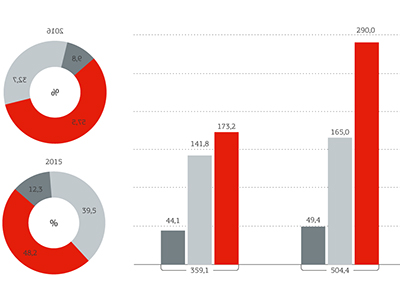
The Russian Pension Fund published a report on key areas and results of its activity in 2017. The document reflects key performance indicators of the Russian pension and social security system in 2017
Voluntary contributions of individuals participating in state pension co-financing program accounted for 5.3 billion rubles in 2017. In line with the legislation, in May 2018, the state co-financed these contributions for the total amount of 5.1 billion rubles. In addition to voluntary contributions of individuals and government funds, employers as third party to the program also contributed to the funding in 2017. They have transferred over 92 million rubles. Thus, in 2017 the total amount of contributions to the program accounted for 10.5 billion rubles.
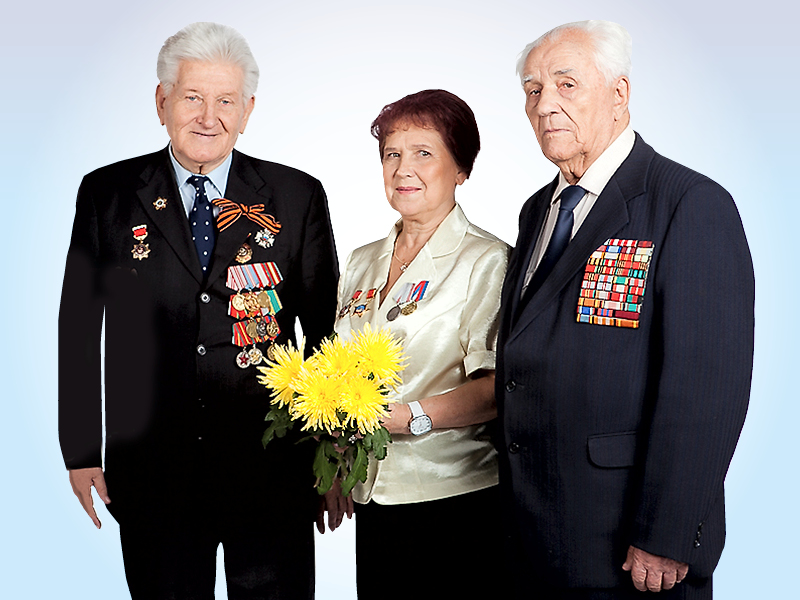
Russia’s Pension Fund provided a one-time payment to people with disabilities and Great Patriotic War veterans marking the 73rd anniversary of the Victory. The payment of 10 thousand rubles in line with the decree of Russia’s President Vladimir Putin has been already provided to 81.7 thousand veterans through the Pension Fund.
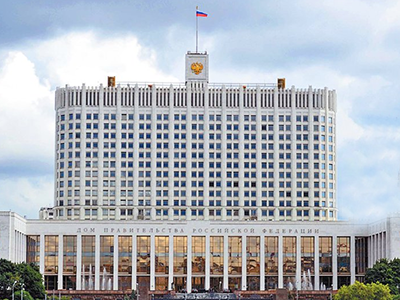
Russia’s government has reviewed and approved the report on the Russian Pension Fund budget implementation for 2017 at a session today. The government has agreed to forward the report to Russia’s Federal Assembly.
According to Your Control independent monitoring system, 97% of individuals are satisfied with public services provided by the Pension Fund of the Russian Federation. That was the amount of people who rated the services as "good" and "excellent" in all regions of the country in the first quarter of 2018. It should be noted that this customer satisfaction indicator is based on more ratings than last year: in comparison with the first quarter of 2017, the number of Pension Fund services rated by citizens increased more than twice and reached 3.3 million.
The Fifth all-Russia Congress of Gerontologists and Geriatricians took place in Moscow on April 19-20, 2018. Leading Russian and international experts in the field of gerontology and geriatrics, and representatives of social security services, non-profit organizations, charities, and social business entities – over 900 delegates from Russia, Armenia, Belarus, Kyrgyzstan, and Ukraine – attended the event. The congress addressed issues topical to gerontologists, including the current condition of the geriatric service in Russia, medical treatment of senior and geriatric citizens, detection and prevention of the cruel treatment of elderly persons, and geriatric education.
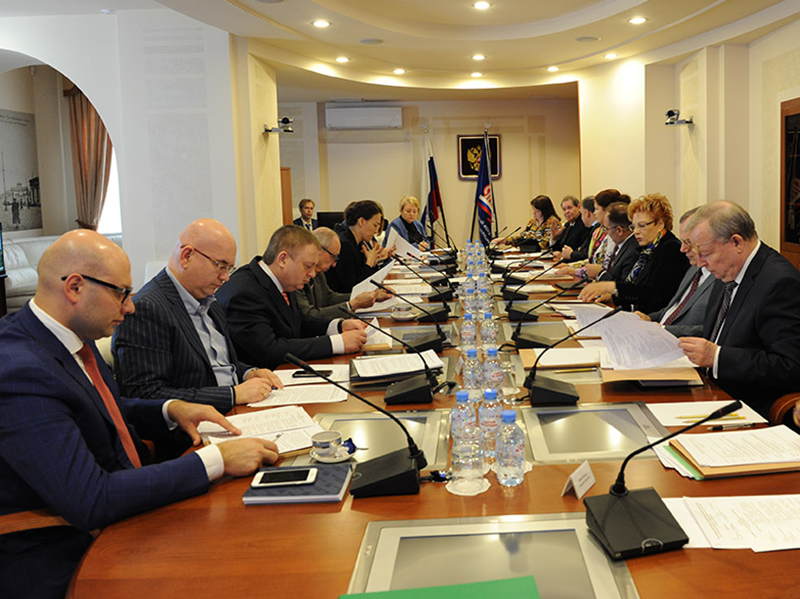
The Public Council of the Russian Pension Fund held its second meeting in Moscow on April 23 to address the fulfillment of the PFR’s 2017 budget, adjustments to the PFR Regulations, and norms of costs of the fulfillment of PFR duties. PFR Board members led by Board Chairman Anton Drozdov made reports on every item on the agenda and had a discussion with the Public Council members.
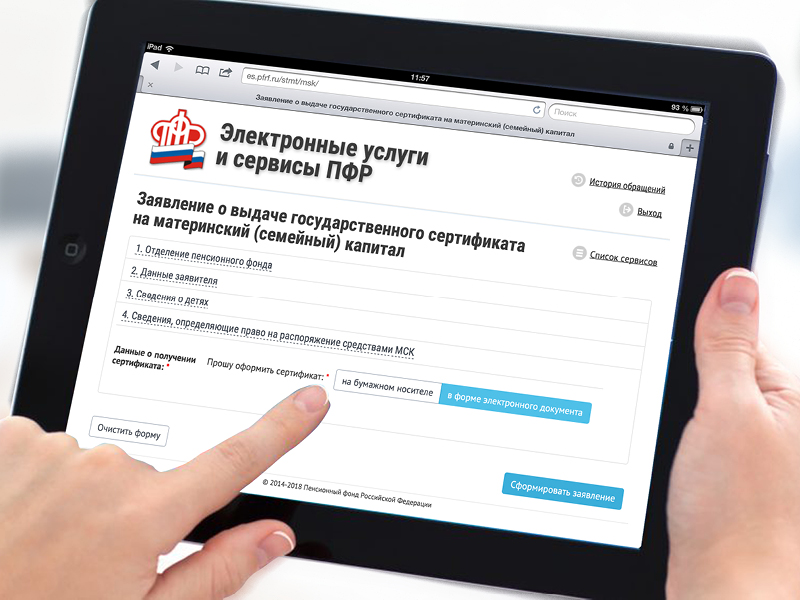
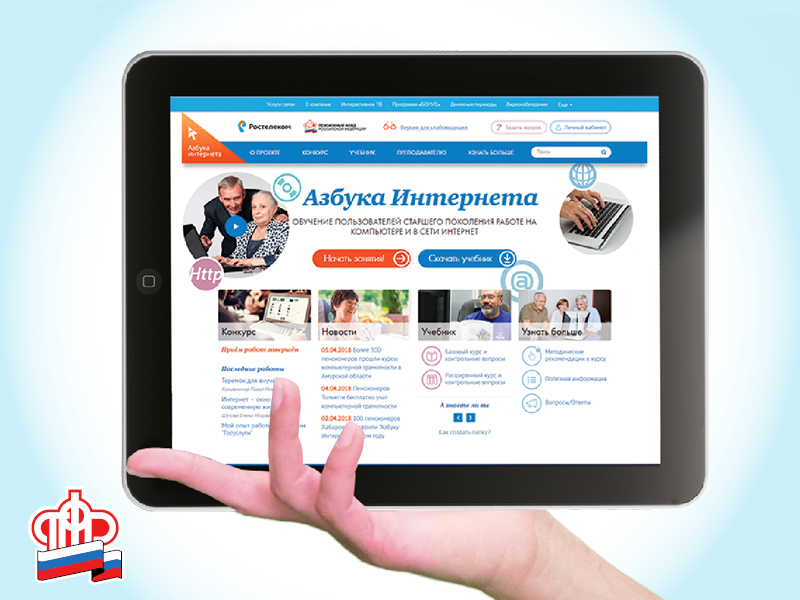
The “Tablet Computer Basics” course has been added to the “Internet ABC” advanced training program developed by the Russian Pension Fund and Rostelecom. The course gives a detailed description of tablet computers’ specifics, required user skills, capacities of application stores, and safe downloading of applications, and offers advice on choosing a tablet computer.
Продолжая использовать этот сайт, Вы принимаете условия пользовательского соглашения
и даёте согласие на обработку пользовательских данных (файлов cookie), в том числе с использованием системы
аналитики «Яндекс. Метрика», (IP-адрес; версия ОС; версия веб-браузера; сведения об устройстве (тип, производитель,
модель); разрешение экрана и количество цветов экрана; наличие программного обеспечения для блокирования рекламы; наличие Cookies;
наличие JavaScript; язык ОС и Браузера; время, проведенное на сайте; глубина просмотра; действия пользователя на сайте; географические
данные) в целях определения посещаемости сайта. Отказаться от обработки пользовательских данных и использования «cookie» можно, выбрав
соответствующие настройки в браузере. Однако это может повлиять на работу некоторых функций сайта.